Column · @andrexodq684
Gutter Cleaning Hackettstown: Minimize Moisture Problems Around Your Home
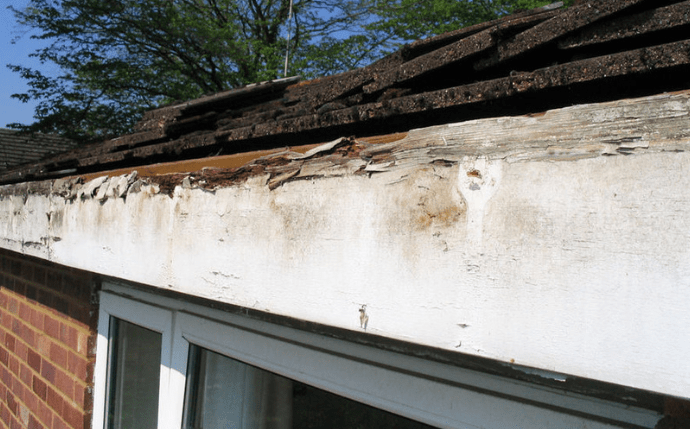
Moisture damage rarely starts with a dramatic event. More often, it begins quietly at the roofline, where clogged gutters turn ordinary rain into a slow, persistent problem. A little overflow at the eaves. A wet strip of siding that stays dark longer than it should. Soil washing away along the foundation after every storm. By the time a homeowner notices peeling paint, musty basement air, or rotted fascia boards, the real issue has usually been building for months.
That is why Gutter Cleaning Hackettstown is not just a seasonal maintenance chore. It is one of the simplest ways to protect the structure of a home from avoidable moisture trouble. In a place like Hackettstown, where you can get heavy spring rain, leafy fall debris, summer storms, and winter freeze-thaw cycles, gutters do more than move water off the roof. They control where that water ends up, how fast it gets there, and whether it stays far enough away from the house to do no harm.
Homeowners often think of gutters only when they are visibly overflowing. In practice, the warning signs show up much earlier, and not always in the gutter https://griffinitbo557.wpsuo.com/best-time-of-year-for-gutter-cleaning-in-hackettstown itself. Damp spots around the foundation, mulch displaced from planting beds, green staining on siding, and water marks under soffits are all clues that runoff is not being managed correctly. Clean gutters and clear downspouts do not solve every moisture issue around a house, but they remove one of the most common causes. That matters more than most people realize.
Why clogged gutters create bigger moisture problems than expected
A gutter system has a straightforward job. It catches rainwater coming off the roof and channels it into downspouts that discharge safely away from the home. When debris interrupts that path, water seeks the easiest exit. Sometimes it spills over the front edge. Sometimes it backs up under shingles. Sometimes it leaks at joints or spills behind the gutter onto the fascia. None of those paths are good.
Overflow along the front edge can saturate the soil directly below the roofline. That sounds minor until you see what repeated saturation does. It can erode landscaping, drown shallow-rooted plants, stain masonry, and increase hydrostatic pressure near foundation walls. If the grading around the house already slopes poorly, even slightly, that water may head straight toward the basement or crawlspace.
Overflow behind the gutter is often worse because it stays hidden longer. Water trapped against fascia boards and soffits can feed wood rot, soften trim, and invite insects into damp materials. I have seen homes where the gutter itself looked serviceable from the yard, but once the ladder went up, the wood behind it had gone soft enough to push in with a thumb. The homeowner thought they had a small gutter issue. What they really had was a carpentry repair project.
Backed-up water at the roof edge also creates winter trouble. In colder stretches, standing water in clogged gutters can freeze, expand, and add weight to the gutter system. Ice can force water under shingles and into vulnerable seams near the eaves. By the time ceiling stains show up indoors, the damage may already include soaked insulation or mold growth inside wall cavities.
Hackettstown weather makes gutter maintenance more important
Hackettstown homeowners deal with a combination of conditions that are hard on gutters. Mature trees are a big factor in many neighborhoods. Leaves, seed pods, twigs, and pine needles all collect in troughs and downspout openings. Even homes without overhanging limbs can still end up with windblown debris after storms.
Then there is the rhythm of the local climate. Spring tends to test drainage systems with repeated rain. Summer can bring intense downpours that overwhelm partially blocked gutters. Fall loads them up with organic material. Winter hardens whatever has been left behind. Wet leaves turn into dense sludge, and small clogs become solid blockages once temperatures dip and rise again.
A clean gutter in April can be half full by late November if the property sits under mature maples or oaks. That is one reason maintenance schedules should match the lot, not just the calendar. A heavily wooded property usually needs more attention than an open lot, even if the homes are the same age and roof size.
The keyword here is consistency. One neglected season tends to carry over into the next. Debris holds moisture. Moisture accelerates corrosion in older metal components and promotes decay in nearby wood. The longer material sits in the troughs, the harder it becomes to remove cleanly. What could have been a quick maintenance visit turns into a more involved cleaning, sometimes with small repairs added on.
Where moisture damage usually appears first
A lot of homeowners expect a gutter problem to announce itself at the gutter. Sometimes it does, but often the first visible symptoms show up elsewhere. Knowing where to look can save money because you catch the problem before it spreads.
Basement corners are a common starting point. If one corner smells damp after rain or shows recurring efflorescence on the wall, look outside directly above it. A clogged gutter or a downspout discharging too close to the foundation may be feeding that moisture pattern. The connection is not always obvious unless you check during an actual storm.
Exterior trim is another early indicator. Paint that bubbles or peels beneath the roofline often means water is escaping where it should not. On masonry homes, you may see dark streaking or algae where water repeatedly runs down the same section of wall. On vinyl-sided homes, the signs can be subtler, often showing up as staining or mildew at panel overlaps.
Landscaping tells a story too. If mulch keeps washing out in the same area, if a flower bed has a trench cut through it, or if one patch of lawn stays muddy while the rest drains normally, the roof drainage path deserves a close look. Gutter issues do not stay isolated at the roof edge. They affect whatever lies below.
Signs your gutters in Hackettstown need attention now
You do not need to wait for dramatic overflow to act. Several smaller clues point to a system that is already underperforming.
- Water spilling over the gutter edge during moderate rain
- Plants, weeds, or moss growing from the gutter trough
- Staining on siding or trim below the eaves
- Sagging gutter sections or loose fasteners
- Downspouts that trickle weakly instead of flowing freely
Even one of these signs warrants inspection. Two or three together usually mean the system has been compromised for a while. Sagging, in particular, should not be brushed off as cosmetic. Gutters get heavy fast when filled with wet debris, and that load strains brackets, spikes, and fascia boards.
The hidden cost of putting it off
Most people delay gutter cleaning for understandable reasons. It is easy to miss from the ground. It does not feel urgent on a dry day. And if the gutters still look attached, the system seems fine. The trouble is that water damage does not respect procrastination. Small moisture problems stack up.
Start with the easiest expense to picture: cleanup and cosmetic repair. Overflow can stripe siding, splash mud onto lower walls, and destroy fresh mulch. Then there are the bigger-ticket issues. Saturated soil around the foundation can contribute to cracks or seepage. Rot at the roof edge can spread from fascia into soffit framing. If water repeatedly enters through the basement, the homeowner may end up paying for waterproofing measures that reduce symptoms without addressing the original cause overhead.
I have also seen delayed cleaning contribute to pest issues. Damp organic debris in gutters makes a decent habitat for mosquitoes, and standing water near clogged downspouts does the same. Carpenter ants and other insects are drawn to softened, wet wood around trim and fascia. No one likes hearing that a gutter cleaning appointment might have prevented a much larger repair, but it happens all the time.
Timing matters more than most homeowners think
For many Hackettstown homes, cleaning twice a year is a good baseline, usually once in late spring and once after the bulk of fall leaf drop. That schedule works well when tree cover is moderate and the gutter system drains well. It is not a universal rule.
A house under dense tree canopy may need three cleanings or at least one cleaning plus an interim inspection. Pine needles deserve special mention because they tend to knit together, slide into downspouts, and create stubborn blockages that are not obvious from ground level. Homes with steep roofs can shed runoff quickly during storms, which means even partial clogs become more problematic because the water arrives with force.
Recent weather should also shape your timing. After a season with repeated windstorms, a mid-cycle inspection can catch problems before they become expensive. Likewise, if winter was severe and ice buildup was common, spring is the right time to check for loose hangers, separated joints, and subtle pitch issues that standing water may expose.
What proper gutter cleaning actually involves
Good gutter maintenance is more than scooping out leaves. A thorough job checks whether the entire drainage path works from end to end. Debris removal is only the first part. The second part is confirming that water can flow through the downspouts and discharge away from the foundation. The third part is inspecting the system for wear, fastener problems, seam leaks, and improper pitch.
This is where homeowners sometimes get a false sense of security. A gutter can look clean along the top edge while the downspout is still restricted. I have seen systems where someone removed visible leaves but left compacted sludge at the outlet. The next storm sent water right over the side again, and the homeowner assumed the gutters must be undersized. They were not. They were only half-cleaned.
A solid cleaning visit should also note whether splash blocks are missing, whether extensions have disconnected, and whether buried drain lines appear to be backing up. Gutters can be perfectly clean and still fail to protect the home if the water ends up dumped at the foundation.
DIY or hire a professional?
Some homeowners are comfortable cleaning their own gutters. On a one-story home with easy ladder access, good ground conditions, and proper safety habits, that can be reasonable. But the risk climbs quickly with height, roof complexity, or uneven terrain. A two-story home with landscaping below the eaves and a steep front grade is a different situation entirely.
Professional service brings a few advantages beyond safety. Experienced crews tend to spot developing issues early, before they become obvious from the ground. They know the difference between normal wear and a mounting problem. They can also test flow more thoroughly and identify areas where gutter pitch or fastening needs correction.
For homeowners weighing the choice, the better question is not whether gutter cleaning is theoretically doable. It is whether it can be done thoroughly and safely on that specific property. If the answer is uncertain, hiring out is usually the smarter move.
A few practical ways to reduce moisture risk between cleanings
You cannot make gutters maintenance-free, but you can reduce the odds of moisture trouble if you stay ahead of a few details.
- Check downspout discharge points after heavy rain
- Trim back limbs that drop directly onto the roof
- Watch for soil washout near corners of the house
- Re-secure loose extensions before the next storm
- Inspect basement walls for new damp spots each season
These small habits help you catch changes while they are still manageable. A five-minute walk around the house after a storm often tells you more than a dry-day glance from the driveway.
Gutter guards help, but they are not a cure-all
Many homeowners ask whether gutter guards eliminate the need for cleaning. Sometimes they reduce it. They do not erase it. The real performance depends on the style of guard, the type of debris on the property, and the roof’s slope and runoff volume.
On some homes, guards do a decent job keeping out broad leaves while still allowing water in. On others, fine debris like shingle grit, seeds, and pine needles works its way through or builds up on top. I have seen guard systems that were installed well but still allowed enough material into the trough to form a muddy layer over time. I have also seen guards fail because they changed how water clung to the roof edge during hard rain, sending some runoff over the front instead of into the gutter.
That does not make guards a bad idea. It just means they should be chosen carefully and maintained with realistic expectations. If someone promises a home will never need gutter attention again, skepticism is healthy.
Moisture control around the house is a system, not a single fix
Gutters play a leading role, but they work best when the rest of the drainage setup makes sense. Downspouts should discharge far enough away from the foundation to prevent ponding. Grading should encourage water to move away from the home, not settle beside it. Basement window wells should drain properly. Mulch should not be piled high against siding. Even a perfect gutter system can only do so much if runoff is directed into poor grading or blocked by compacted soil.
This systems view matters because homeowners sometimes treat symptoms in isolation. They patch a basement crack, repaint peeling trim, or replace damaged mulch, yet the water keeps returning. The root cause often begins higher up. When you trace the path of water from roof to ground, the pattern becomes clearer.
Hackettstown homes vary a lot in age, lot shape, and surrounding tree cover, so there is no one-size-fits-all moisture strategy. A newer subdivision home on a clearer lot may need modest routine maintenance and periodic inspections. An older home with mature trees and settled grading may need more active oversight. Good judgment comes from observing the whole property through different seasons, especially during and after rain.
Why local experience matters with Gutter Cleaning Hackettstown
There is a difference between generic gutter service and service that understands local housing stock, tree patterns, and weather behavior. A contractor familiar with Gutter Cleaning Hackettstown is more likely to recognize the common trouble spots seen in the area, from leaf-heavy roof valleys to downspout discharge points that struggle on sloped lots.
That local perspective helps with practical decisions. Does this home need twice-yearly cleaning or closer monitoring in the fall? Are the overflowing gutters mainly clogged, or is the pitch off after years of wear? Is the wet basement corner tied to roof runoff, grading, or both? Those distinctions matter because the fix should match the cause.
The best results usually come from treating gutter cleaning as preventive maintenance rather than emergency response. Once water is inside a wall, basement, or roof edge assembly, the repair options get more intrusive and more expensive. Keeping the system clear and functional is far cheaper than replacing damaged wood, correcting mold issues, or dealing with foundation seepage.
A clean gutter system is not flashy. No one stands in the yard admiring it. But when the next hard rain moves through Hackettstown and the water disappears exactly where it should, without streaking siding, flooding beds, or soaking the base of the house, that quiet performance matters. Moisture problems tend to start small and spread slowly. So does good prevention, one cleaning at a time.
Just Gutters LLC
Address: 262 Main St, Hackettstown, NJ 07840
Phone number: +12013319454
FAQ About Gutter Cleaning Hackettstown
How much should a gutter clean cost?
Professional gutter cleaning typically costs between $163 and $333, with a national average of around $210 to $250 for a standard-sized home.
What months should you clean gutters?
You should clean your gutters twice a year—once in late autumn (November to December) and once in late spring (April to May).
Is it worth paying for gutter cleaning?
Yes, paying for gutter cleaning is worth it because it prevents thousands of dollars in water damage, roof leaks, and structural repairs.